
How Frank Ocean Created Lost
Updated May 29, 2026

Lost is one of the warmest and most playful tracks on Frank Ocean’s channel ORANGE, combining vintage soul influences with glossy synth production from Malay Ho. The track blends Mellotron strings, bouncing analog synth leads, Wurlitzer keys, and wide Motown-style arrangements into something that feels both nostalgic and futuristic.
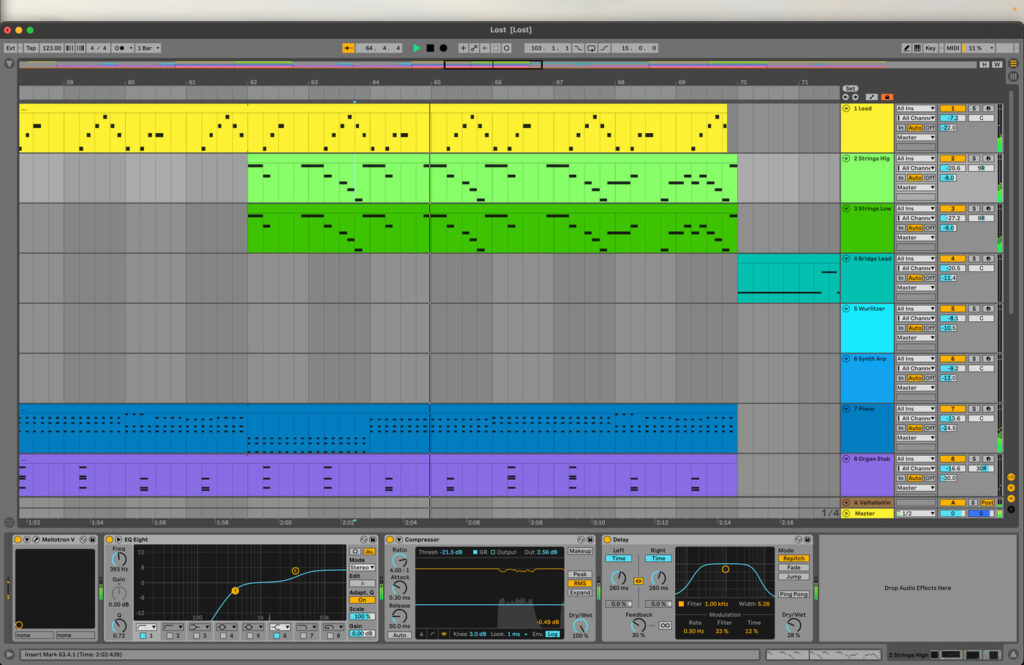
In this article, I’ll break down some of the main synth sounds and production techniques used throughout Lost, alongside my full Ableton Live remake using virtual plugins and no samples from the original song:
Daylight
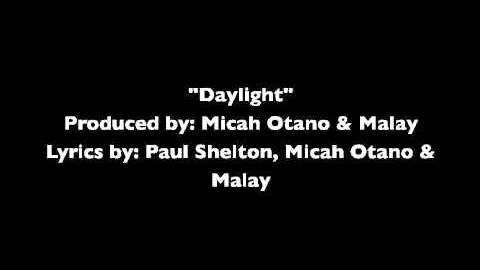
The beat for Lost was originally written by Malay along with Micah Otano, a producer and songwriter. It was originally titled Daylight and had different lyrics, but this version was never released. Malay gave Frank Ocean the beat, who rewrote the lyrics as Lost.
The main differences between Daylight and Lost is the key: Lost has been pitch-shifted up a tone from C minor to D minor, probably to suit Frank’s voice. There’s also a distorted guitar track in Daylight that was removed, but apart from that, not too much was changed.
Main Synth Hook
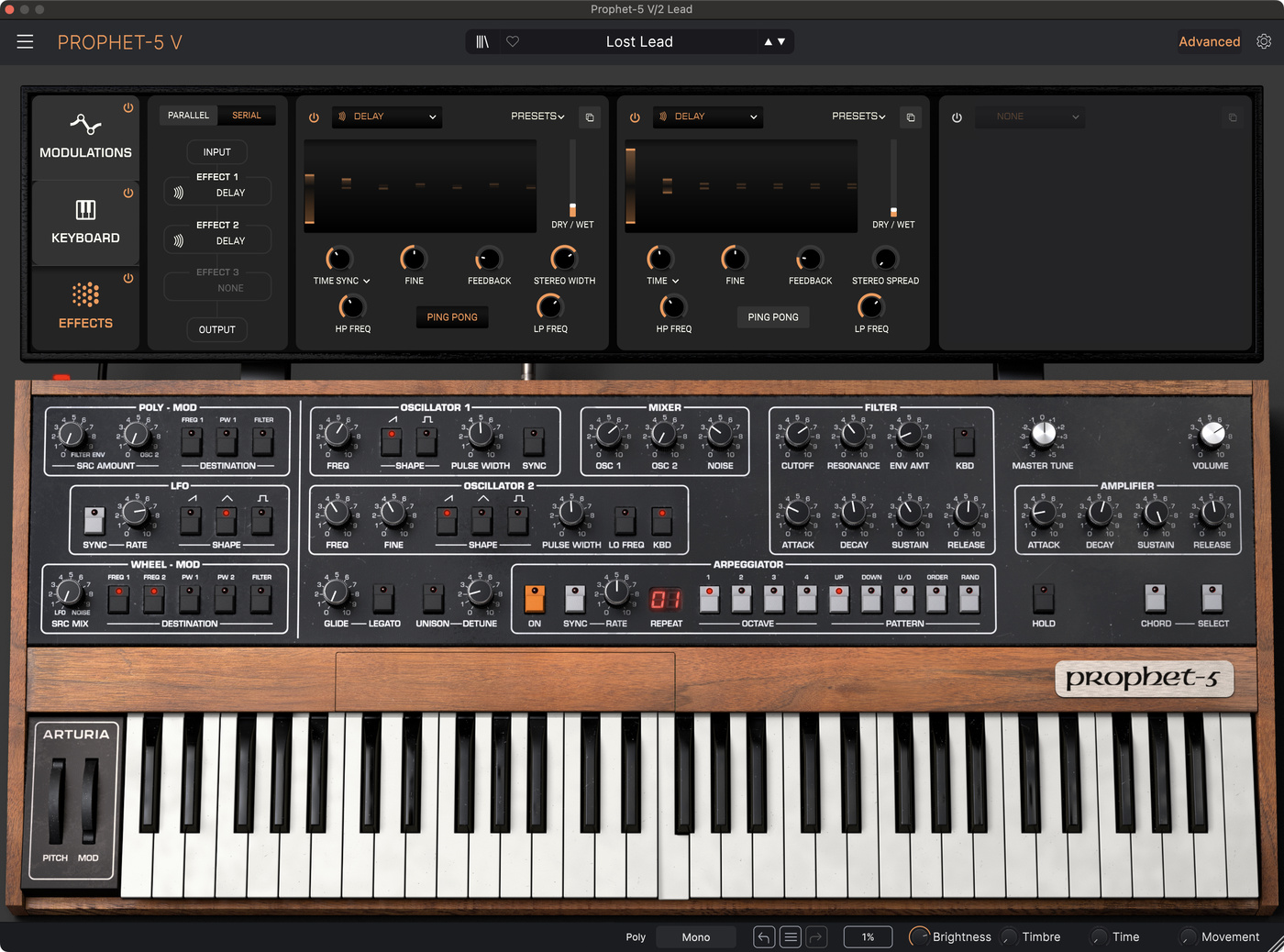
The main instrumental hook in Lost is a playful, bouncy lead sound. It features high filter resonance to create a pronounced “wah” character, alongside a small amount of white noise to add grit. The standout effect is the tempo-synced stereo delay, which causes the delayed signal to bounce between the left and right speakers and gives the riff its rhythmic feel.
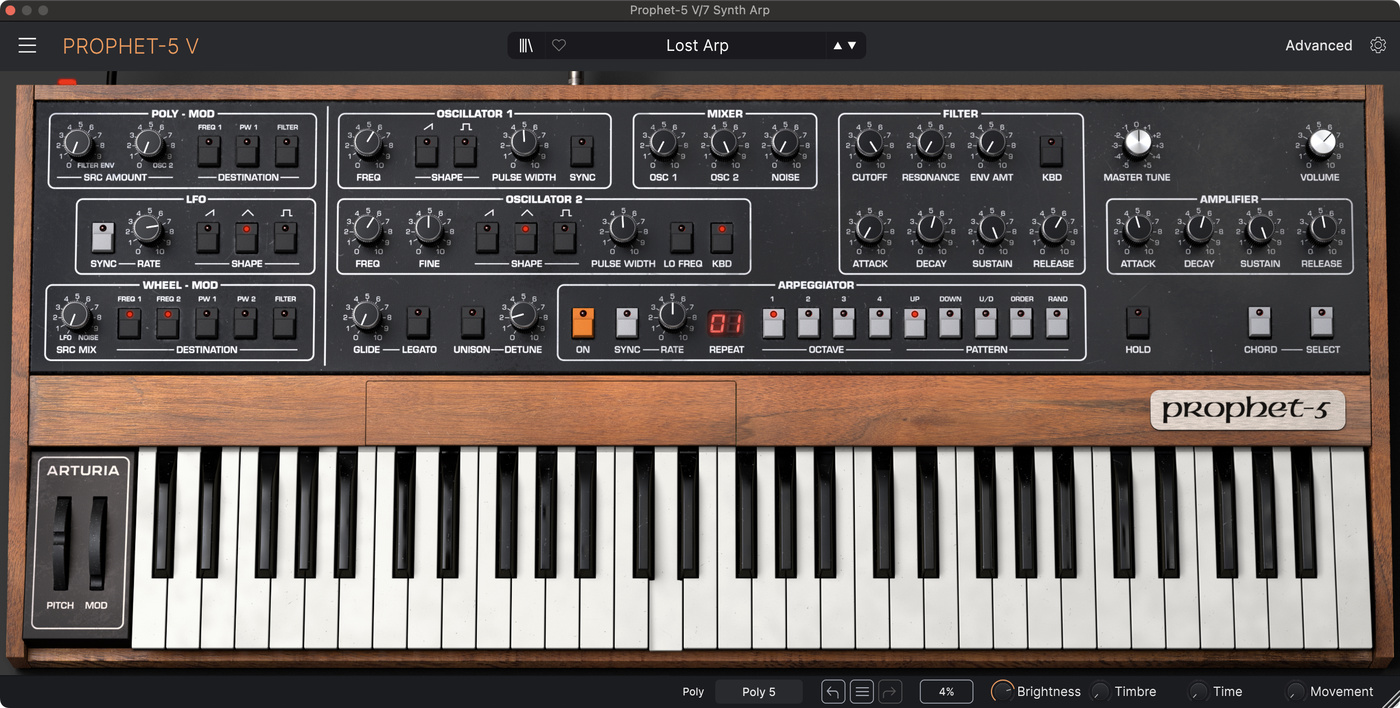
For my remake, I used Arturia Prophet-5 V in mono mode with a single sawtooth oscillator. I recreated the delay using Prophet-5’s built-in effects, with a tempo-synced 1/4 note delay alongside a second 300ms tape-style echo.
- Lost Lead Dry 00:19
- Lost Lead Wet 00:19
Mellotron Strings
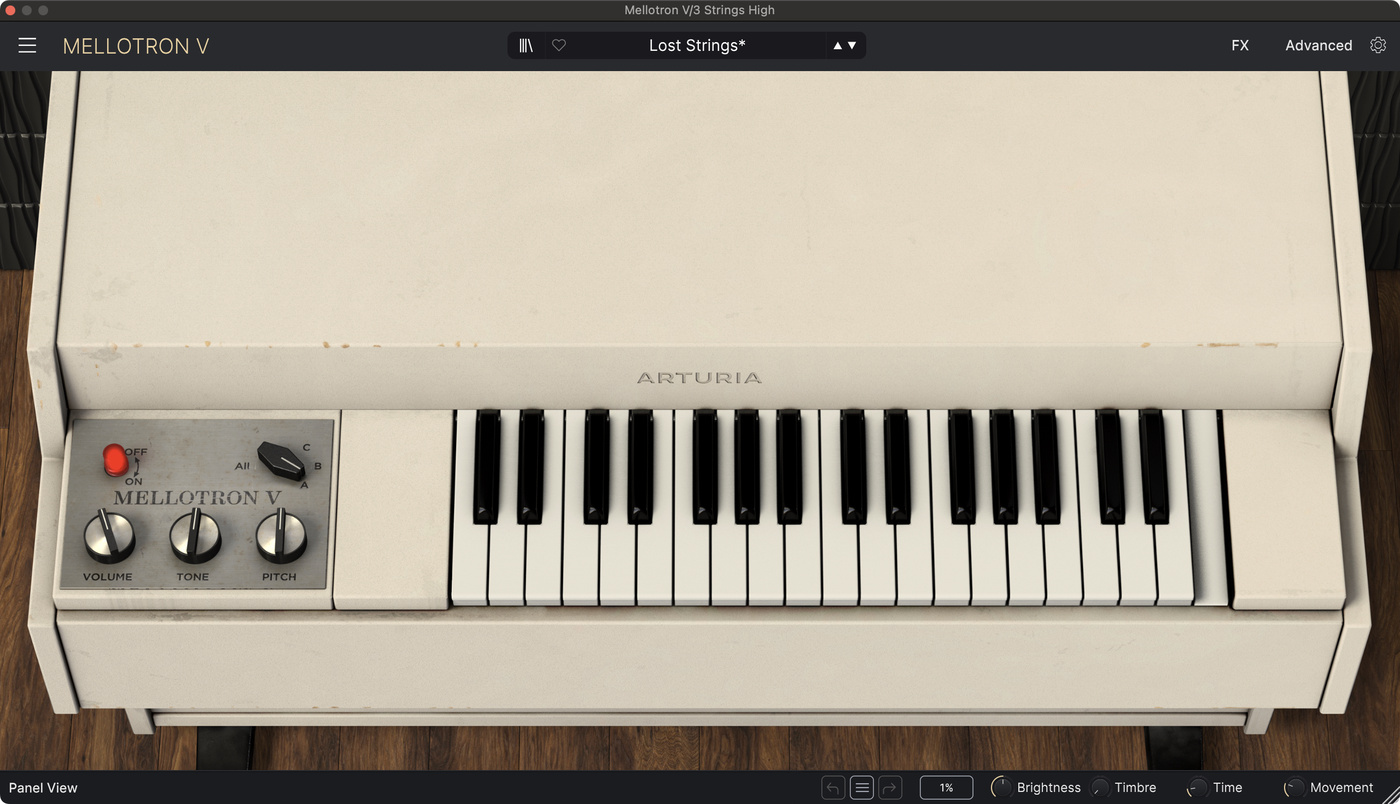
A melancholy string melody is introduced in the chorus, played on classic Mellotron strings. The Mellotron has an instantly recognisable vintage sound and was a favourite of Malay’s around the time of channel ORANGE. He also used Mellotron sounds for the intro sample in Pyramids. Malay has previously mentioned using the original GForce MTron Pro plugin during this period, so that was likely the source on Lost.
For my remake, I used Arturia Mellotron V with a custom preset based on the Mk2 3 Violins sample bank. I raised the flutter and tape saturation controls to add more tape character, then doubled the melody in octaves across two tracks, with the higher octave louder in the mix for a brighter sound. I also added some EQ to boost the high frequencies and some delay to add space.
- High Strings 00:18
- Octave Doubling 00:18
Lost Keys
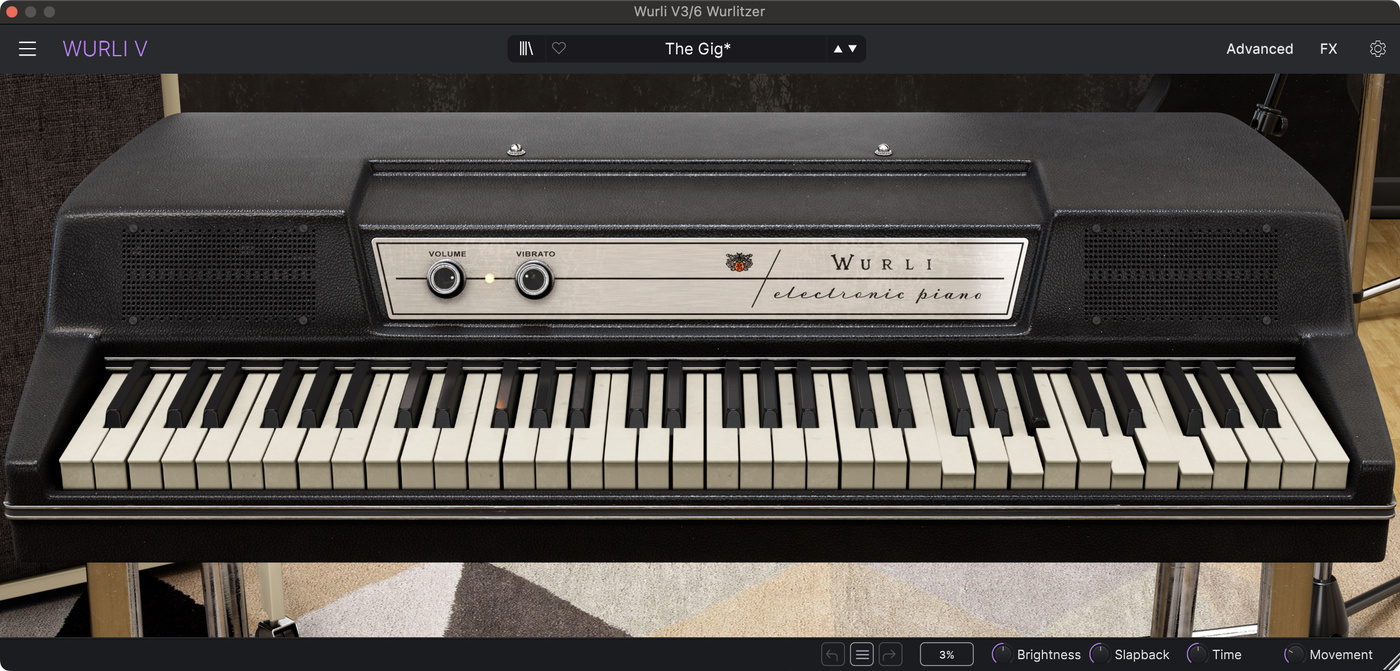
There are two transition licks that appear at the end of the verse phrases to lead into the chorus. The first is a descending arpeggio played on a Wurlitzer electric piano, which I recreated using the default The Gig preset in Arturia Wurli V. Playing the part with soft MIDI velocity gives the sound a darker, mellower tone.
The second part is a rapid up-and-down arpeggio played on a soft triangle-wave synth patch. I recreated the sound using Arturia OP-Xa V with a triangle wave oscillator and a slow attack time, which gives the notes their soft, hazy character.
- Wurli + Arp 00:05
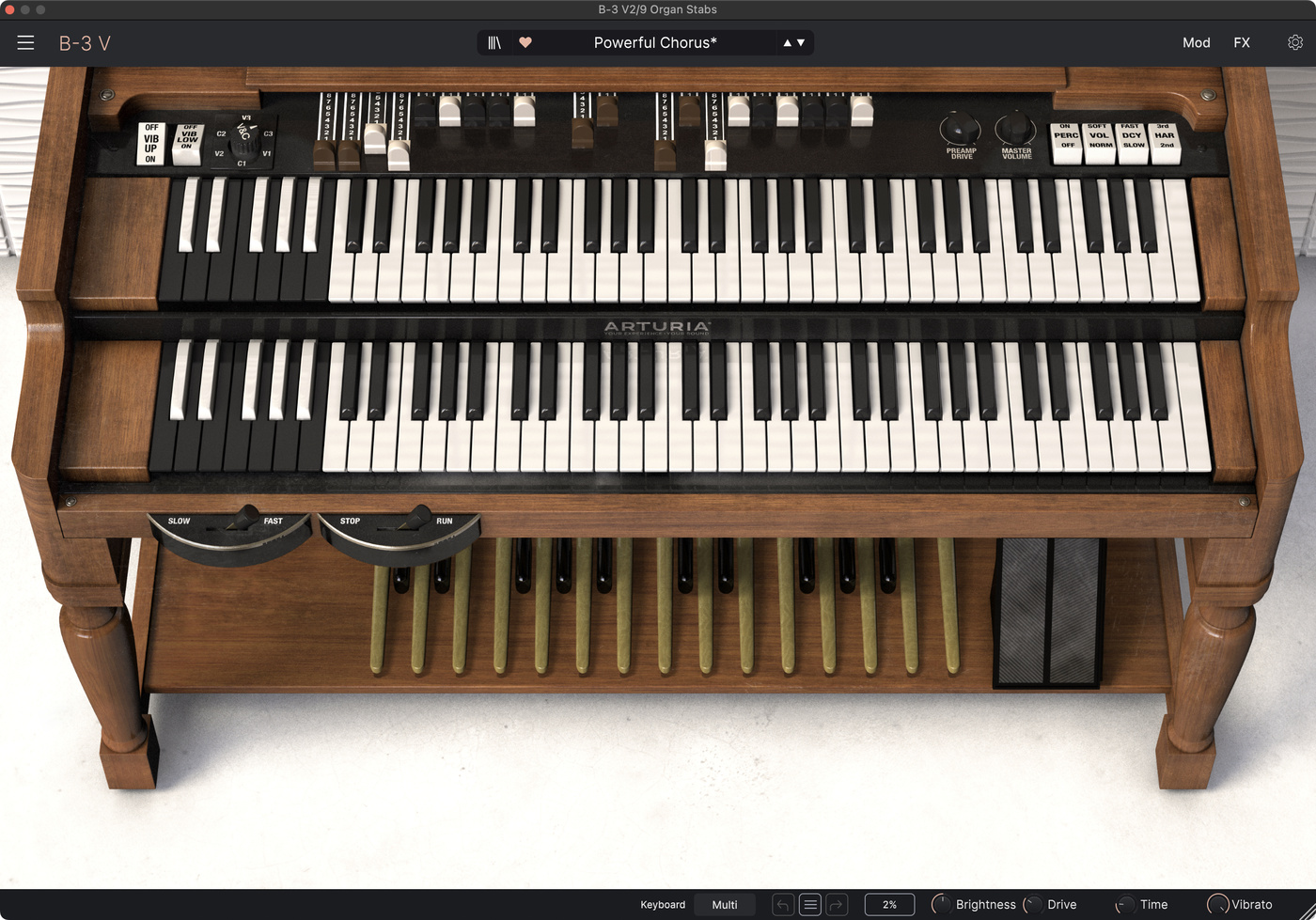
There’s a classic Motown/soul flavour running through Lost, with chord stabs landing on beat 2 throughout the arrangement. This is a layered sound, with guitar stabs panned hard left and organ stabs panned hard right. For the organ patch, I used the Arturia B3 V preset Powerful Chorus with the rotary speaker speed set to fast.
For the guitar layer in my remake, I used a clean electric guitar sound with a touch of vintage-style tremolo from Ableton Live’s Auto Pan device. The wide panning between the guitar and organ helps create a spacious stereo image while keeping the arrangement simple.
- Organ 00:17
- Guitar 00:17
- Doubled 00:17
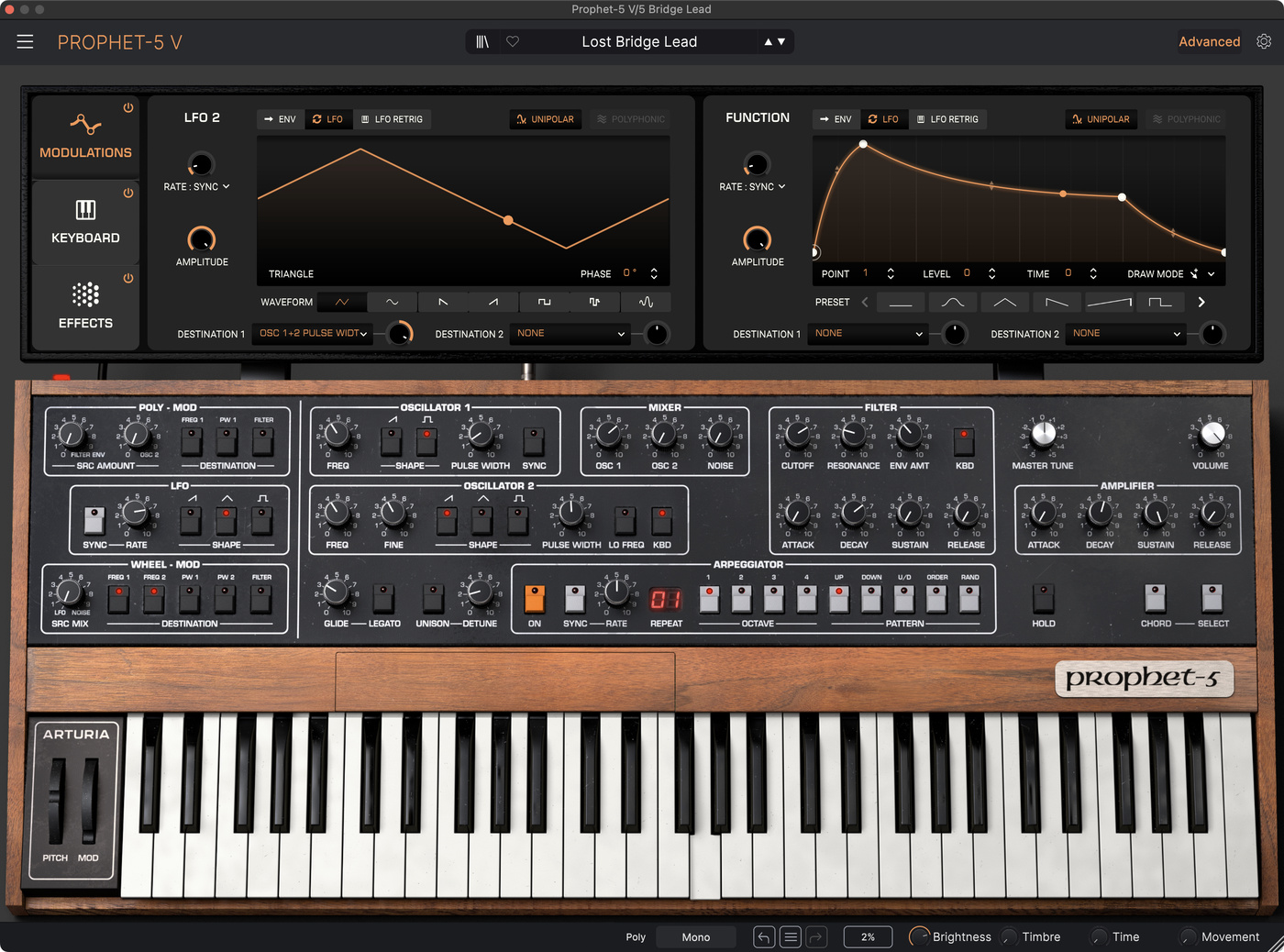
Finally, there’s a gliding monosynth that appears in the third verse at 2:14. The standout elements of this sound are the subtle pulse-width modulation, which causes the sound to periodically thin out, and the smooth portamento glide, which causes the pitch to slide fluidly between notes.
For my remake, I recreated the patch in Arturia Prophet-5 using a pulse wave oscillator with moderate filter resonance. The pulse-width is subtly modulated throughout the section, which adds movement as the note sustains. I added slow PWM using the advanced panel LFO set to a slow 4-bars. I also enabled portamento glide with a medium glide time to recreate the smooth pitch transitions heard in Lost.
- Bridge Lead 00:33
Further Reading
Below is a complete list of all the articles and interviews I referenced when researching this article, as well as some great musician/producer resources for fans of Frank Ocean.
- Complex Interview: Frank Ocean’s Co-Writer And Producer Malay Talks…
- Reverb.com Interview: Frank Ocean Producer Malay on Making Albums in a Singles Era
- Splice: How Frank Ocean producer Malay creates lo-fi textures
- Output: In The Studio with Om’Mas Keith
- New York Times: Frank Ocean Can Fly
- Malay’s Reddit AMA from 2016
- Malay talking about channel ORANGE on Gearspace
- Mix With the Masters: “It’s You” by Zayn | Inside the Track #20
- Mix With the Masters: “Them” by Iris | Producing a Track #2

Discussion
Be the first to comment